How Do I Find a Trauma Therapist?
If you’re searching for help with trauma, PTSD, depression, anxiety, or overwhelming emotional triggers, you’re not alone. Many people reach out after years of trying to cope with the effects of a difficult childhood, an abusive relationship, or a traumatic experience.
You may be crying all the time, unable to get out of bed, feeling constantly anxious, or reacting to reminders of the past in ways that don’t make sense to you. These are common responses to trauma—not signs of weakness.
A trauma therapist can help if you’ve experienced:
PTSD or complex trauma
Sexual abuse or grooming
Physical, verbal, emotional, or financial abuse
Manipulation, intimidation, or controlling behavior
A narcissistic or abusive partner or family member
Chronic criticism, yelling, screaming, or aggression
Feeling trapped, powerless, or repeatedly victimized
Whether you identify as a survivor, are actively recovering, or are just beginning to ask questions about your experiences, healing is possible.
The right trauma therapist understands that recovery is not about “getting over it.” It’s about helping your mind and body process what happened, reducing triggers, restoring a sense of safety, and helping you move forward with greater confidence, peace, and resilience.
You don’t have to face trauma alone. Help is available, and with compassionate, evidence-based treatment, meaningful healing is possible.
Choosing the Right EMDR Therapist
CREDENTIALED. Selecting an EMDR therapist is a meaningful decision. It is important to work with a clinician who has completed EMDR-approved training, and ideally holds EMDRIA certification, reflecting advanced expertise and a commitment to the highest standards of care.
RELATABLE. Beyond credentials, the therapeutic relationship is essential. Feeling comfortable, understood, and supported creates the foundation for effective and lasting work. You deserve a space that feels both safe and thoughtfully attuned to your needs.
RESOURCE. Many clients begin their search through the EMDRIA “Find a Therapist” directory to identify qualified providers.
PURPOSEFUL. EMDR therapy offers a structured, evidence-based approach to healing, delivered at a pace that respects your readiness. With the right support, this work can lead to meaningful, lasting change and a greater sense of ease and clarity in your daily life.
FIND A THERAPIST ON WWW.EMDRIA.ORG
CLICK IMAGE BELOW

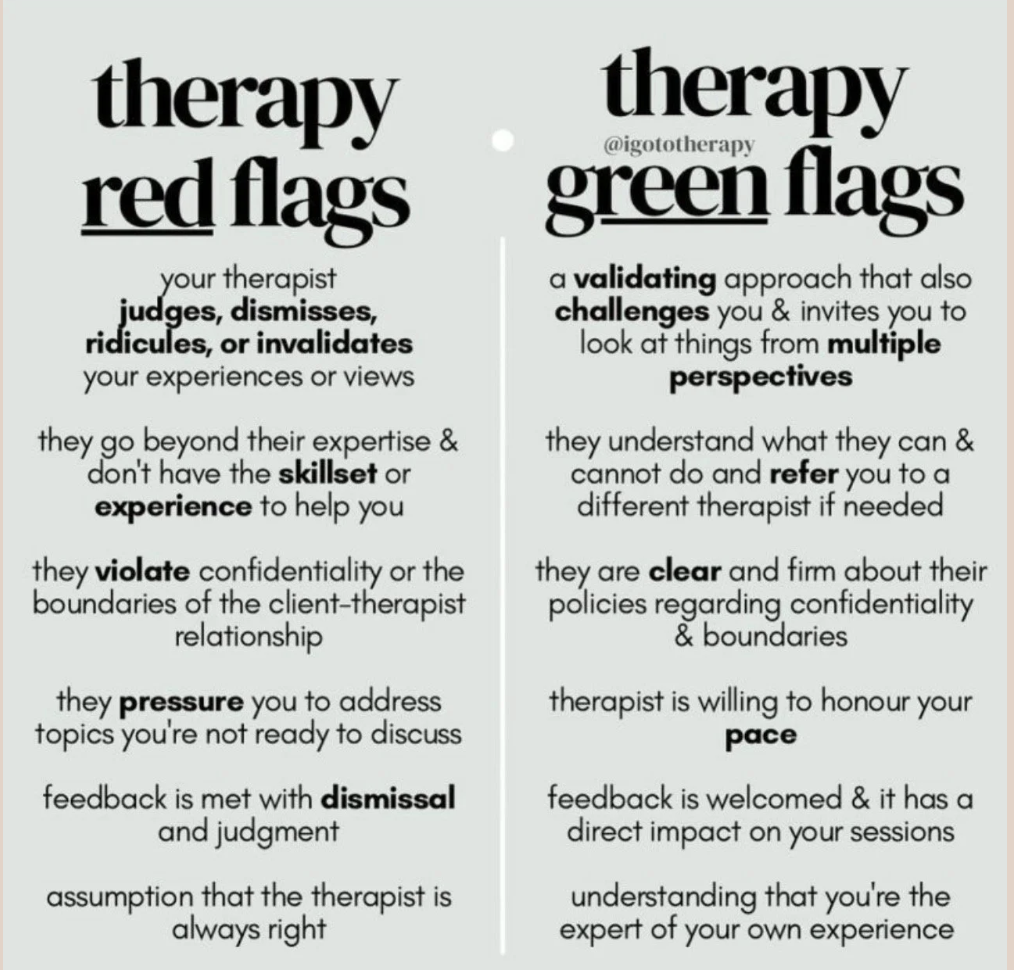
IS YOUR THERAPIST RIGHT FOR YOU?
YOU ARE IN THE DRIVER’S SEAT.
YOU ARE ALLOWED TO ASK QUESTIONS ABOUT YOUR THERAPY &
DISCUSS IT WITH THE THERAPIST.
Your Questions, Answered
-
Adults with a history of trauma and/or Adverse Childhood Experiences
Nurses, Practitioners, and Healthcare Workers
Therapists and Counselors (LSW, LCSW, LPC)
Teachers and Coaches
First Responders
Correctional Workers
Medical Trauma
Immigrants from Volatile Countries
-
Clients with:
Treatment Resistant Depression
Persistent Anxiety
Post Traumatic Stress Disorder (PTSD)
Complex Post Traumatic Stress Disorder (CPTSD)
Attachment Wounding, Rejection Sensitivity, and Fears of Abandonment
History of Adverse Childhood Experiences (ACE)- verbal abuse, physical abuse, sexual abuse, neglect, family dysfunction, addiction, substance abuse and mental illness
Treatment Resistant Mood Disorders
Unexplained Physical Symptoms
Headache and Migraine
-
My approach is grounded in my Advanced Practice Nursing education and enriched by both professional expertise and lived experience. I view mental health through a nuanced and integrative lens, allowing me to bring a thoughtful and perceptive awareness to each client’s unique needs. This perspective supports my ability to recognize subtle patterns and dynamics that may otherwise go unnoticed.
I bring a keen clinical sensitivity to trauma and distress, along with a strong capacity to respond effectively within the therapeutic space. While I draw on evidence-based, brain-focused approaches, I do not simply check technical boxes; I implement the science of the modality fluidly and with warmth. I believe it is equally important to offer a presence that is intuitive, attuned, relational, and responsive.
I strive to integrate both the art and science of EMDR therapy as it was originally intended—creating a space where clients feel genuinely seen, understood, and supported throughout their healing process.
-
Dissociation is a clinically significant term for involuntary disconnection from thoughts, identity, or reality, often linked to trauma. This is different from disassociation, which is a psychosocial term describing a conscious, voluntary action of cutting ties with a person, group, or idea. This distinction is important.